SEOUL, South Korea — Venerable Beopsan, Executive Chief of the Jogye Order of Korean Buddhism, has expressed concern over the detention of Shincheonji Chairman Lee Man-hee, calling for respect for fundamental human rights, freedom of religion, and fair judicial proceedings.
In a press conference, Beopsan issued a statement that the Buddhist teaching of dependent origination, emphasizing that all beings are deeply interconnected and that threats to the freedom and rights of others affect society as a whole.
“As a Buddhist leader, I express deep concern upon observing the recent series of events, including the arrest of Shincheonji Chairman Lee Man-hee,” Beopsan said.
While acknowledging the responsibility of the state to uphold law and order, he stressed that fundamental rights and freedom of religion should not be restricted because of a person’s religious affiliation.
Beopsan also urged authorities to ensure that judicial decisions and the exercise of public authority are conducted fairly and in accordance with universal human rights principles.
The Buddhist leader further appealed for greater tolerance and an end to prejudice and discrimination, saying that a democratic society becomes healthier when it protects the rights of minorities.
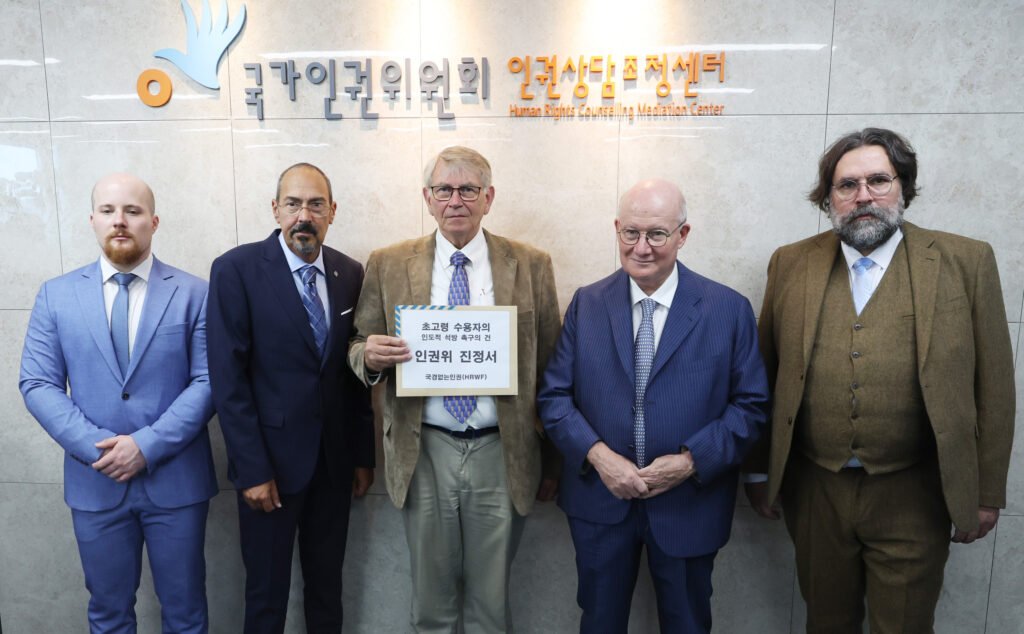
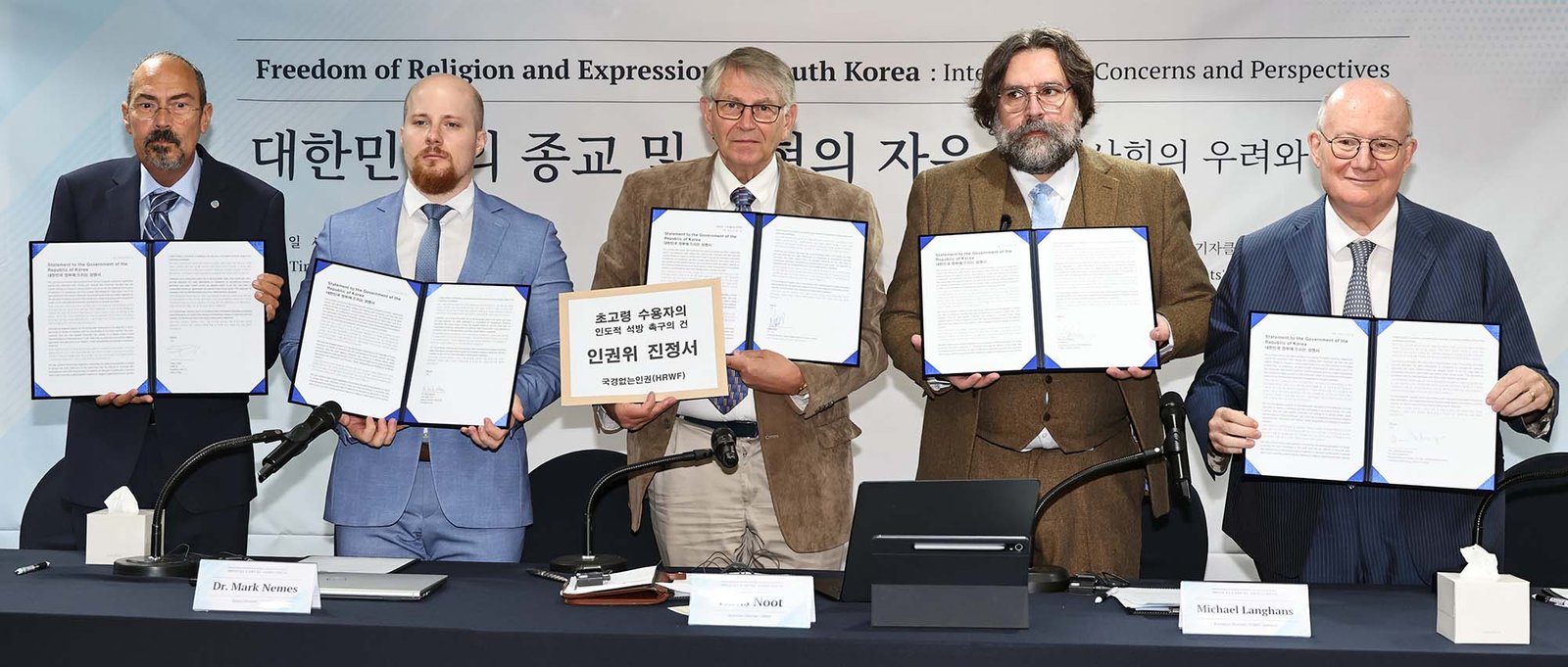
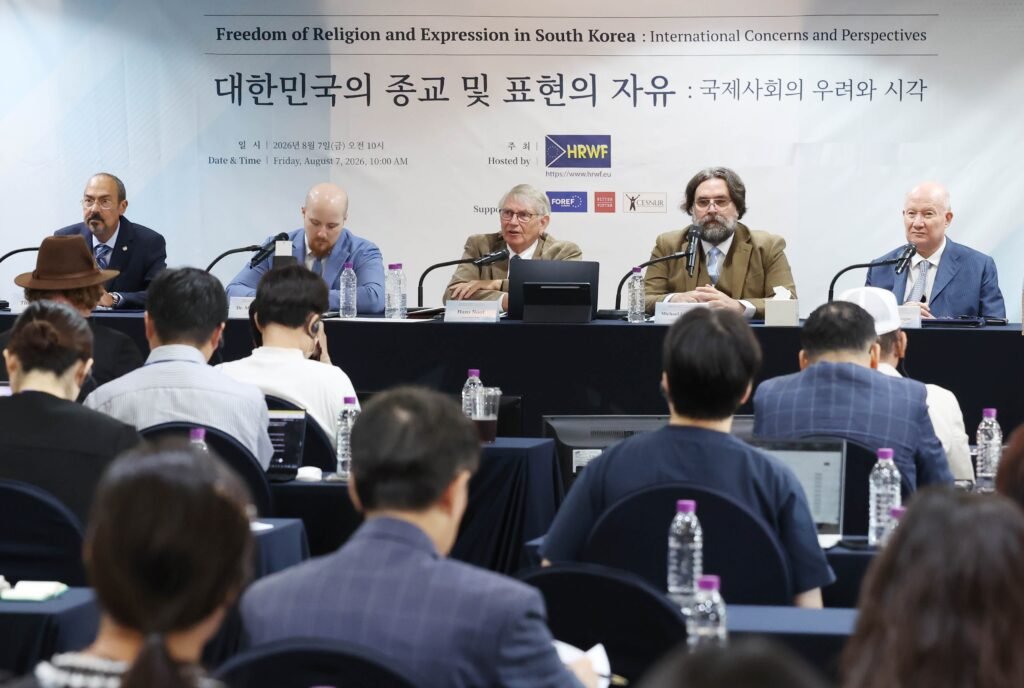
His statement comes alongside an appeal from scholars and human rights advocates from several European countries who recently visited South Korea and met with Lee Man-hee and officials associated with Shincheonji.
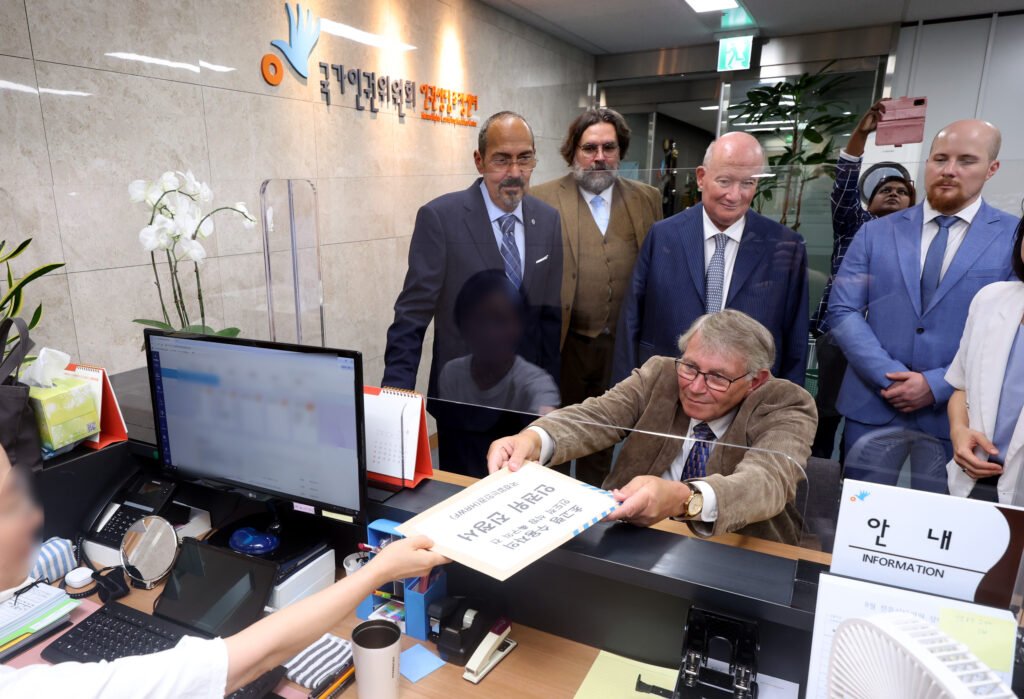
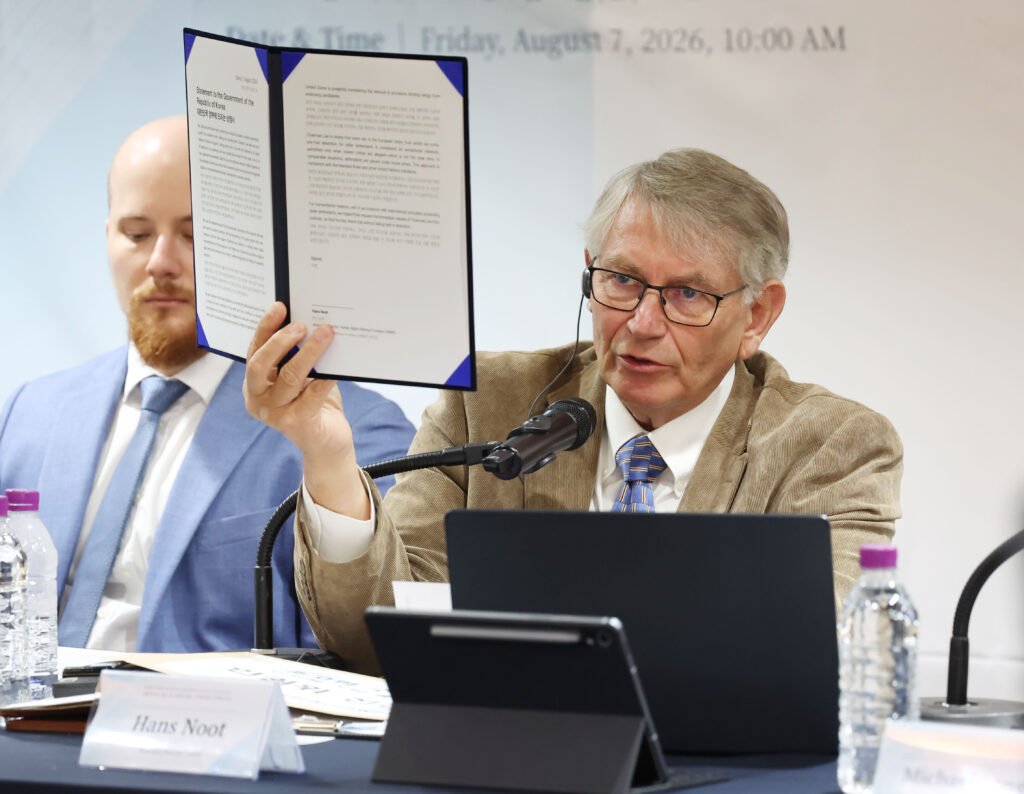
In their statement addressed to the Government of the Republic of Korea, the European scholars said they have conducted academic research on Shincheonji for many years, including studies of the movement’s international missionary activities and interviews with its leadership.
They expressed concern over what they described as negative media portrayals of Shincheonji and called for greater consideration of academic research when assessing the religious organization.
The scholars also raised concerns regarding restrictions on the political participation of clergy in South Korea, noting that religiously inspired political participation exists in several democratic countries.
Citing Lee Man-hee’s age of 95, the group appealed for humanitarian consideration in his case. They argued that pre-trial detention of elderly defendants should be treated as an exceptional measure and pointed to international standards concerning the treatment of older persons in detention.
The scholars ultimately called for Lee’s immediate release from custody so that he can face the judicial proceedings without being detained.
Both statements emphasized the importance of due process, freedom of religion, human rights, and non-discrimination, while urging authorities to ensure that the case is handled fairly and in accordance with democratic and international principles.